Showing posts with label whole foods. Show all posts

Tuesday, July 9, 2013

Foods that Heal Inflammation

Systemic inflammation is at the root of practically all known chronic health conditions, including everything from rheumatoid arthritis and high cholesterol to dementia and cancer. These conditions are not necessarily inevitable, and neither is chronic inflammation, but you have to know what lifestyle and dietary steps to take in order to avoid them.
What are some of the primary causes of chronic inflammation? Excessive stress, poor diet that lacks vitamins and minerals, environmental toxicity, not drinking enough clean water, lack of sleep, and lack of exercise all contribute to low levels of chronic inflammation that often go undetected for many years until disease finally emerges.
The Standard American Diet (SAD), which is high in simple carbohydrates and refined sugars, is another major contributor to disease-causing inflammation, as is lack of natural sunlight exposure and routine inactivity. Failing to consume enough cleansing foods as part of a normal diet is another contributing factor to chronic inflammation, as cells and blood must be continually purified with the help of nutrient-dense foods and herbs in order to prevent a chronic inflammatory response.
People develop a chronic inflammatory disease because the immune system has an inappropriate response to something it has been exposed to. In some cases, this means that the patient develops an autoimmune disease, in which the immune system starts to attack the body because it has become confused. In other instances, the patient experiences chronic inflammation in response to certain foods or environmental factors such as smoke. The inflammation can wax and wane, but it remains persistent and it often resists treatment.
People with chronic inflammatory diseases tend to undergo a great deal of suffering. Because the inflammation often cannot be fully controlled, the patient is constantly on medications, and he or she can experience pain, fatigue, digestive problems, and other symptoms caused by the inflammation and side effects from the drugs. Some people also find that their symptoms and struggles are dismissed by people such as employers and coworkers, who may not fully understand the processes and debilitation which can be involved in a chronic inflammatory disease.
There are foods that can send our bodies into repair mode and reverse the effects of inflammation.
Cabbage
This parcel of vegetable is nutrient-packed and low in calorie. It is impressive with its high content levels of calcium, iron, iodine, potassium, sulfur, and phosphorus. In the vitamins department, it is loaded with vitamins A, B1, B2, B6, C, E, K and folic acid.
This humble vegetable is a rich source of a number of phytonutrients which help boost our defense mechanisms, blocks the reaction of cancer-causing substances, detoxifies and eliminates harmful toxins and hormones, and stimulates production of antibodies to fight cancer.
Cancer: Daily and frequent consumption of cabbage juice has shown to be effective in preventing and treating cancers of the breast, colon, liver, lung and ovarian. A compound in cabbage, sulforaphane, also helps protect cells from invasion of carcinogens.
Constipation: The slightly laxative effect of cabbage makes it effective in stimulating bowel movement. Eat the uncooked cabbage, either on its own, or juiced.
Digestive system: The amino acid glutamine in cabbage juice is totally gentle and cleansing on the digestive system, detoxifying, repairing ulcers, healing and regenerating. The juice is to be taken in small amounts of about 100 ml, three times a day on an empty stomach.
Immune systems: A compound called histidine in cabbage is found to be useful in treating allergies and regulating the T-cells in our immune systems.
When buying cabbage, choose the smaller variety, they taste better.
Cabbage is easier to digest in its raw fresh form than when cooked. The longer it is cooked, the less digestible it becomes. Cabbage sprouts are delicate and easier to digest, and they also contain higher levels of nutrients.
Avoid buying precut cabbage that are either halved or shredded. The moment the cabbage is cut, it begins to lose its nutrient contents. To store, keep the vegetable refrigerated in a perforated plastic bag to prevent loss of its vitamin C.
String beans
The major health benefit of common beans is their ability to lower cholesterol due to their rich source of fiber. Studies have shown that the high fiber contained in beans prevents blood sugar levels form rising too rapidly after a meal. This makes beans an especially good choice for individuals with diabetes, insulin resistance, or hypoglycemia.
Common beans promote heart health due to their fiber, antioxidants, folic acid, vitamin B6, and magnesium. Folic acid and vitamin B6 help to lower levels of homocysteine, which is an amino acid that is an intermediate product in an important metabolic process called the methylation cycle. Elevated blood levels of homocysteine are an independent risk factor for heart attack, stroke, and peripheral vascular disease. These elevated blood levels are found in 20 to 40 percent of patients with heart disease. Research has indicated that beans are also protective against cancer.
Antioxidant Support from Green Beans
Best studied from a research standpoint is the antioxidant content of green beans. In addition to conventional antioxidant nutrients like vitamin C and beta-carotene, green beans contain important amounts of the antioxidant mineral manganese. But the area of phytonutrients is where green beans really shine through in their antioxidant value. Green beans contain a wide variety of carotenoids (including lutein, beta-carotene, violaxanthin, and neoxanthin) and flavonoids (including quercetin, kaemferol, catechins, epicatechins, and procyanidins) that have all been shown to have health-supportive antioxidant properties. In addition, the overall antioxidant capacity of green beans has been measured in several research studies, and in one study, green beans have been shown to have greater overall antioxidant capacity than similar foods in the pea and bean families, for example, snow peas or winged beans.
Other Health Benefits
The strong carotenoid and flavonoid content of green beans also appears to give this vegetable some potentially unique anti-inflammatory benefits. For example, some very preliminary research in laboratory animals shows decreased activity of certain inflammation-related enzymes - lipoxygenases (LOX) and cyclooxygenases (COX) - following intake of bean extracts. Because type 2 diabetes is a health problem that is known to contain a basic component of chronic, unwanted inflammation, we are also not surprised to see some very preliminary research in the area of green bean intake, anti-inflammatory benefits, and prevention of type 2 diabetes. (The very good fiber content of green beans most likely adds to the potential of green beans to help prevent this common health problem.) We expect to see more research in both of these health benefit areas (anti-inflammatory benefits and prevention of type 2 diabetes).
Kale
Kale provides an excellent source of vitamins B6 and C, carotenes, and manganese. It is also a very good source of vitamins B1, B2, and E, fiber, iron, copper, and calcium. Kale has almost three times as much calcium as phosphorus. This is a beneficial ratio because high phosphorus consumption has been linked to osteoporosis since it reduces the utilization and promotes the excretion of calcium. Kale and collard greens exhibit the same anticancer properties as other members of the cabbage family.
Health Benefits of Kale
Kale's nutrient richness stands out in three particular areas: (1) antioxidant nutrients, (2) anti-inflammatory nutrients, and (3) anti-cancer nutrients in the form of glucosinolates. Without sufficient intake of antioxidants, our oxygen metabolism can become compromised, and we can experience a metabolic problem called "oxidative stress." Without sufficient intake of anti-inflammatory nutrients, regulation of our inflammatory system can become compromised, and we can experience the problem of chronic inflammation. Oxidative stress and chronic inflammation � and the combination of these metabolic problems � are risk factors for development of cancer. You can count on kale to provide valuable cardiovascular support in terms of its cholesterol-lowering ability.
Papaya
The nutritional highlight of papaya is a proteolytic enzyme called papain which is an excellent aid to digestion. This enzyme is so powerful that it is said to digest an amazing 200 times its own weight in protein. It assists our body's own enzymes in assimilating the maximum nutritional value from the food we eat.
Health Benefits
Anti-Inflammatory: The anti-inflammatory virtue from the papain in papaya greatly reduce inflammation in diseases such as rheumatoid arthritis, osteoarthritis, gout and asthma.
Colon Cancer, Prevention Of: The rich fiber in papaya bind to cancer-causing toxins in the colon and is eliminated from the body during bowel movements.
Digestive Aid: Papaya is commonly known for its fine and natural laxative virtue which aids digestion. Taken regularly, it can help habitual constipation, bleeding piles and chronic diarrhea.
Strawberry
Strawberries are packed with a variety of anti-oxidant substances, including the flavonoid anthocyanidins (which gives the fruit its characteristic red color), vitamins C, E and beta-carotene.
They are also rich in dietary fiber, flavonoids, potassium, folic acid, vitamins of the B complex (B2, B5, B6), biotin, manganese, iodine and zinc; and very low in protein, sugar and calories, and virtually devoid of fat and cholesterol.
Health Benefits of Strawberries
Anti-anemic: Strawberries can help prevent and fight certain types of anemia, due to their high content in folic acid, which is essential for the synthesis of hemoglobin, the protein in red cells responsible for carrying oxygen throughout the body.
Anti-cancer: Strawberry is included in the list of top "superfoods" that help lower cancer death rates. This is because of the very high content of various anti-oxidants with flavonoids that work synergistically and more powerfully against oxidation and preventing damages caused by free radicals in our body.
Anti-coagulant: Strawberries contain moderate amount of acetylsalicylic acid, the same active ingredient found in aspirin. Although the amount of acetylsalicylic acid found in strawberries is not enough to relieve influenza symptoms, it can be actually helpful to thin blood and prevent blood clots formation, thereby reducing the work of the heart and improving its function.
Anti-inflammatory: Anthocyanidin is a unique flavonoid that makes strawberries a very powerful protector against inflammatory conditions such as asthma, gout, artherosclerosis, arthritis and rheumatoid arthritis. At the same time it protects against intestinal bleeding.

Contact Higher Healing for your Natural Health Consultation today. Let us work together to build energy, strength and vitality. Say goodbye to sickness and disease and Hello to Natural Health!


Friday, June 7, 2013

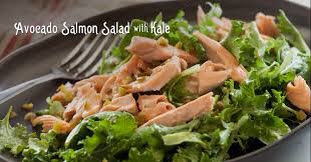
Avocado Salmon & Kale Salad


This outstanding salad is loaded with flavor and packed with nutrient-rich ingredients. Baking the salmon for the recipe is easy, but you can also use leftover grilled or poached salmon. Find baby kale in the packaged salad greens section.


Ingredients
3/4 lb salmon fillet
1 avocado, pitted, peeled and chopped, divided
2 tbsp lemon juice
6 cups baby kale
2 tbsp chopped pickled jalape�o peppers, or to taste


The unique protein and amino acid composition of salmon is often overlooked in its nutritional profile. Salmon contains short protein molecules called peptides that have been shown to be bioactive and may have important anti-inflammatory properties. Salmon also provides important amounts of the antioxidant amino acid taurine. Salmon is an excellent source of anti-inflammatory omega-3 fatty acids and immune-supportive selenium. It is also a very good source of muscle-building protein and heart-healthy niacin and vitamin B12. Additionally, it is a good source of energy-producing phosphorus, vitamin B6, and magnesium.


Method
Preheat the oven to 400�F. Line a small baking pan with parchment paper. Arrange salmon on the pan, skin-side down, and bake until just cooked through, 10 to 12 minutes. Cool slightly, remove and discard skin, flake flesh and set aside.
While salmon is baking, mash half of the avocado with lemon juice and 1 tablespoon water in a large bowl until you have a chunky dressing. Add kale and toss very well, making sure all leaves are coated.
Divide kale among serving plates. Top with flaked salmon and remaining avocado. Sprinkle with jalape�os and serve.

Note: If using leftover cooked salmon, you'll need about 2 cups flaked cooked fish


Kale provides an excellent source of vitamins B6 and C, carotenes, and manganese. It is also a very good source of vitamins B1, B2, and E, fiber, iron, copper, and calcium. Kale has almost three times as much calcium as phosphorus. This is a beneficial ratio because high phosphorus consumption has been linked to osteoporosis since it reduces the utilization and promotes the excretion of calcium. Kale and collard greens exhibit the same anticancer properties as other members of the cabbage family.


Leave us a Comment if you try this recipe and let us know how you like it>>>

from WholeFoods market recipe

Thursday, June 6, 2013

Avocado Lime Smoothie

Do you want to start on the road to better health? Higher Healing Herbal Institute has been sharing very important information on the dangers of living with Acidosis. If your body is functioning in an Acidic state, then you will want to try this wonderfully Alkalizing Smoothie.
Avocado is one of the richest source of fiber among all fruits and vegetables. Packed with vitamins A, several B-complex, especially B3 (folic acid), powerful anti-oxidants like vitamins C and E, calcium, iron, potassium, etc.
Limes and lemons contain outstanding phytochemicals that are high in anti-oxidant and anti-cancer properties. They are potent detoxifiers with anti-biotic effect that is protective against bacterial poisoning.

Avocado Lime Alkalizing Smoothie
1 avocado
� cup lime juice
1 tbsp almond milk
� tbsp raw sugar
1 scoop of Ultimate GreenZone
Cut the avocado in half and remove the seed. Remove the contents with a spoon and put in a blender. Add some lime juice, the milk and raw sugar. Blend to a smooth and creamy drink.
Depending on the amount of avocado you use in proportion to milk, the smoothie gets more or less creamy. If you use a lot of avocado you can eat the smoothie with a spoon. Use more milk if you want to drink it easily. The healthy fat in the avocado is filling and tasty.

Leave a comment and tell us what you think...


Feta & Parmesan Zucchini Bake Recipe!


(recipe adapted from Kalyn's Kitchen)

6-7 medium zucchini or yellow summer squash

2 Tb olive oil

2 Tb minced garlic

2 tsp dried thyme

4 eggs

2/3 C light sour cream

1 C crumbled feta cheese

1/2 C fresh parmesan cheese

2 Tb lemon juice

salt and pepper


1. Preheat oven to 375 degrees and spray a large casserole dish with nonstick spray.

2. Slice the squash into 1/4" slices. If they are larger squash, cut them down the middle before slicing. Heat the oil in a large non-stick frying pan. Add the squash, garlic and thyme. Saute and stir just until the squash is starting to soften slightly. Don't cook too long or it will be mushy after it bakes in the oven. Remove from the heat.

3. Beat together the eggs, sour cream, cheeses and lemon juice in a medium sized bowl. Place half of the squash into the bottom of the casserole. Sprinkle on some salt and pepper (remember the cheeses are salty!) then spread 1/2 of the egg mixture over the top. Repeat with remaining squash and egg mixture.

4. Bake for 40-45 minutes, until the mixture is bubbling and slightly set. Serve hot.


Wednesday, June 5, 2013

PH Balancing for Optimal Health!

The human body is an indivisible, integrated organism, not a collection of various unrelated parts. In this vein, there are various mechanisms in your body that work together to maintain a proper pH balance throughout your body.

The acidity or alkalinity of a substance is measured using pH. The pH scale runs from 0 to 14, with 0 being the most acidic, 14 being the most alkaline, and 7 being neutral. To survive, our bodies must maintain the pH very close to 7.4, which is just on the alkaline side of neutral. If your body�s pH varies too much from this ideal, it becomes difficult for various enzymes to function properly.

Maintaining this slightly alkaline state is a constant challenge, primarily because of the acid-forming functions that take place within the body, and the over-abundance of acid-producing foods we consume.

The idea that various foods influence the pH of the body isn't new. In fact, as far back as the early 1900s, numerous doctors began studying the pH-altering effects of different foods. They found that while a few foods were "neutral" in their effects, most foods were either "alkaline-producing" or "acid-producing." They also found that simply changing the diet could change the pH of the body. Not surprisingly, bringing the body's pH closer to the normal range helped patients get rid of many of their health complaints.

Overacidity has even been linked to the formation of cancer, heart disease, diabetes, and osteoporosis.
Most people who suffer from imbalanced pH are acidic. This condition forces the body to borrow minerals�including calcium, sodium, potassium and magnesium�from vital organs and bones to buffer (neutralize) the acid and safely remove it from the body. Because of this strain, the body can suffer severe and prolonged damage due to high acidity�a condition that may go undetected for years.

How Important is Balancing your pH? Mild acidosis can cause such problems as:
Cardiovascular damage, including the constriction of blood vessels and the reduction of oxygen.
Weight gain, obesity and diabetes.
Bladder and kidney conditions, including kidney stones.
Immune deficiency.
Acceleration of free radical damage, possibly contributing to cancerous mutations.
Hormone concerns.
Premature aging.
Osteoporosis, weak or brittle bones, hip fractures and bone spurs.
Joint pain, aching muscles and lactic acid build-up.
Low energy and chronic fatigue.
Slow digestion and elimination. Yeast/fungal overgrowth.
 
What Causes Me to be Acidic?
The reason acidosis is more common in our society is mostly due our diet, which is far too high in acid-producing animal products like meat, eggs and dairy, and far too low in alkaline-producing foods like fresh vegetables. Additionally, we eat acid-producing processed foods like white flour and sugar and drink acid-producing beverages like coffee and soft drinks. We use too many drugs, which are acid forming; and we use artificial chemical sweeteners, which are extremely acid forming. One of the best things we can do to correct an overly acid body is to clean up the diet and lifestyle.
 
Acid and Alkaline in the human Body
Our body secretes or maintains many different kinds of fluids. Their pH factors are different. The most important of these fluids is blood, which has to be slightly alkaline all the time.
Our body�s exercise or movements produce lactic acid and carbon dioxide. Phosphoric acid and sulphuric acid are likewise produced in the body from oxidation of the phosphorus and sulphur contained in food. This makes the blood acid.
On the other hand, alkaline elements such as sodium, potassium, magnesium, and calcium are ingested in large amounts, especially in vegetable food.
How to prevent an acid system
It is very important to make sure you are eating more alkaline forming foods and less of the acid forming foods
Drink 2.5 � 3 Litres of water daily
Eat more vegetables
Keep away from refined foods and sugars
Keep away from alcohol or cut right back to an occasional drink.
 
Click the link in the right side bar to get your own personal "at home" testing kit. Test your pH every morning and evening to determine if your body system is acidic.
 
Basic Nutrition for Acidosis:
 
1. Enzymes are essential: Food Enzymes - 1 to 2 capsules with meals
2. Magnesium is beneficial: Magnesium Complex - take 2 with meals
3. Alkaline Minerials are essential: Colloidal Minerals or Mineral Chi Tonic - take 1 oz. a day
4. Focus on GREEN Foods: Use our Ultimate GreenZone mix - use 1 scoop to make green smoothie twice a day.
     Liquid Chlorophyll - take 1 teaspoon in 8oz. water up to 8 x's per day
Taking these 4 steps immediately will help to change the internal pH od your body from Acid to Alkaline bringing about a healthy balance and energy.

Tuesday, May 28, 2013

Habits of Health Radio Broadcast!

Higher Healing Herbal Institute's NEW weekly radio broadcast: "Habits of Health"

We will give you resources and instruction for developing your

"Habits of Health"

You will learn how to restore your health, lose weight, sleep better and feel great!

Tune in every Wednesday at 6pm (est) to the Higher Healing Herbal Institute "Habits of Health" broadcast, you will be glad you did!

Your Call In # 646-929-1019

This Weeks Topic: pH Balancing your body for Health!

Visit us online to schedule your Natural Health Consultation! HigherHealingHerbals.com

Skype Consults are Available!

Skype Me @ HigherHealing


Thursday, May 23, 2013

Chia Seeds - Have you heard about their Benifits?

Anti-Inflammatory and Cleansing Benefits:
Chia seeds are a true superfood. Oddly, they are members of the mint family but they taste totally neutral. This makes them a very versatile food. Chia seeds have been used in ancient cultures for many medicinal purposes such as helping to ease joint pain and digestive issues.

Chia seeds are filled with omega 3 and omega 6 fatty acids.
Omega 3 fatty acids are one of the most powerful anti-inflammatory compounds in nature, as well as being great for the brain. Did you know that Chia seeds contain even more omega three fatty acids by weight than salmon does? These tiny seeds are also a complete protein, meaning that they contain all 8 essential amino acids that your body cannot synthesize on its own, and must get from food.

Chia seeds are able to absorb 9 time their own volume in water.
This ability causes them to help your own body retain needed water and electrolytes. You can use them in place of your morning oatmeal by adding a few tbsp. of Chia seeds to almond, hemp or coconut milk and letting it stand for 15-2 minutes, to give the chia seeds time to absorb the liquid. You can then throw in some fresh or dried berries for a quick cereal.

Chia seeds help to clean out the digestive tract.
They contain high amounts of both soluble and insoluble fibre, as well as drawing water to themselves. This adds bulk and water to the stools, which is important for keeping your system clean and clear. Chia seeds will also help your body absorb the fat soluble vitamins A, C, E and K, which need fat in order to be properly utilized by the body. Chia seeds are great for helping to keep blood sugar levels stable as well as binding to cholesterol and helping to usher it out of the body.

What are some other benefits of eating Chia?

  • Provides energy

  • Boosts strength

  • Bolsters endurance

  • Levels blood sugar

  • Induces weight loss

  • Aids intestinal regularity

Chia slows the impact of sugars on the system, if eaten together. Chia gel creates a physical barrier between carbohydrates and the digestive enzymes that break them down, which slows the conversion of carbs into sugar. That means the energy from the food is released steadily, resulting in more endurance. This is clearly of great benefit to diabetics in particular.

Try this for a quick and filling Breakfast:

3 tablespoons Chia Seeds

1/2 cup Vanilla Almond milk (Rice, Coconut or plain Almond)
1 tsp Agave

handful of Granola

Fresh fruits

Sprinkle cinnamon

splash of Vanilla flavoring

Instructions:
Add Chia seeds to a bowl with the Almond milk and stir briskly until slightly thickened. Add all other ingredients and enjoy!

Monday, May 6, 2013

Oceana Study Reveals Seafood Fraud Nationwide


From 2010 to 2012, Oceana conducted one of the largest seafood fraud investigations in the world to date, collecting more than 1,200 seafood samples from 674 retail outlets in 21 states to determine if they were honestly labeled.
DNA testing found that one-third (33 percent) of the 1,215 samples analyzed nationwide were mislabeled, according to U.S. Food and Drug Administration (FDA) guidelines.
Of the most commonly collected fish types, samples sold as snapper and tuna had the highest mislabeling rates (87 and 59 percent, respectively), with the majority of the samples identified by DNA analysis as something other than what was found on the label. In fact, only seven of the 120 samples of red snapper purchased nationwide were actually red snapper. The other 113 samples were another fish.
Our findings demonstrate that a comprehensive and transparent traceability system � one that tracks fish from boat to plate � must be established at the national level. At the same time, increased inspection and testing of our seafood, specifically for mislabeling, and stronger federal and state enforcement of existing laws combatting fraud are needed to reverse these disturbing trends.
Our government has a responsibility to provide more information about the fish sold in the U.S., as seafood fraud harms not only consumers� wallets, but also every honest vendor and fisherman cheated in the process--to say nothing of the health of our oceans.

Wednesday, February 27, 2013

Carnation Instant Breakfast Healthy or Not?


Breakfast really is the most important meal of the day because after getting a good night's sleep, it is the meal that we use to break - the - fast! During sleep, our bodies repair and rebuild the very important cells that make up each organ which makes up every body system that keeps us healthy. It is essential to give the body the necessary building materials to complete this process of breaking down and rebuilding our cells everyday and every night. You are Not "what you eat" you ARE "what you digest". Hence, breakfast is the first meal of building blocks you fuel your body with to begin this daily process. It truly is the most important meal of the day!

If you want a quick yet nutritious start of the day and you have been fooled by the marketing department of the famed Carnation Instant Breakfast, let's take a look to see exactly what you are getting...

Okay let's talk about the Carnation Instant Breakfast Essentials that are being passed off as a "Healthy Breakfast" choice for our families. First the ingredient list from their website:


Ingredients

NONFAT MILK, SUGAR, MALTODEXTRIN, COCOA (PROCESSED WITH ALKAKI), LACTOSE AND 2% OR LESS OF DICALCIUM PHOSPHATE, SOY LECITHIN, CARAMEL COLOR, NATURAL AND ARTIFICIAL FLAVORS, MAGNESIUM HYDROXIDE, SODIUM ASCORBATE (VITAMIN C), CARRAGEENAN, MODIFIED CORNSTARCH, FERRIC ORTHOPHOSPHATE (IRON SOURCE), ALPHA TOCOPHERYL ACETATE (VITAMIN E), NIACINAMIDE, COPPER GLUCONATE, ZINC OXIDE, CALCIUM PANTOTHENATE (PANTOTHENIC ACID), MANGANESE SULFATE, VITAMIN A PALMITATE, PYRIDOXINE HYDROCHLORIDE (VITAMIN B6), THIAMINE MONONITRATE (VITAMIN B1), BIOTIN, VITAMIN K1 (PHYTONADIONE), FOLIC ACID, VITAMIN D3 (CHOLECALCIFEROL), VITAMIN B12 (CYANOCOBALAMIN).

How Healthy do you think it is now? Everyone knows that the ingredients are listed according to the amounts in each product, from the greatest to the least. In this ingredient list, Sugar is the second ingredient. Sugar for breakfast? Refined, processed Sugar! Caramel color? This is Not a healthy breakfast, this is a heart attack waiting to happen. This is a diabetics worst nightmare. This is Not fuel for a wonderful body that has worked through the night building and repairing cells to keep us healthy.

If we want to offer ourselves the ability to have a quick yet beneficial meal in the morning, then let's consider some alternatives to Carnation Instant Breakfast.


Contact Higher Healing Herbal Institute for your FREE Consultation and let's Get Healthy!

Chocolate + Almond
Serves: 2
INGREDIENTS
1 banana
� cup all-natural almond butter
1 cup almond milk
2 tablespoons unsweetened cocoa powder
1 tablespoon stevia

� cup ice
Combine all ingredients in a blender; blend until smooth.
Whip up this nutrition-packed smoothie for an on-the-go breakfast, meal-in-a-glass, or satisfying snack.

Nature's Harvest Benefits:

  • Provides nutrient-dense plants, fruits and herbs for health and energy.
  • Provides 75% of the Daily Value for 18 essential vitamins and minerals.
  • Contains green foods, antioxidants, essential fatty acids, nutritive herbs, fiber and more.
  • Provides 13 g vegetable protein per serving.
  • Supports the intestinal and circulatory systems.
  • Is vegan, dairy-free and lactose-free.

Blackberry + Wheat Germ
Serves: 2
INGREDIENTS
1� cups frozen blackberries
1 banana
Benefits: Provides 20 grams of vegetable protein per serving. Provides 75% of the Daily Value of 18 vitamins and minerals. Supports the urinary and circulatory systems. Contains a powerful antioxidant blend. Is free from common allergens, dairy, lactose and gluten. Offers a balanced amino acid profile. Is certified vegan.
1 cup orange juice (fresh juiced or squeezed)
2 tablespoons toasted wheat germ
2 scoops Love and Peas
Combine all ingredients in a blender; blend until smooth, enjoy.

Love and Peas Benefits:

  • Provides 20 grams of vegetable protein per serving.
  • Provides 75% of the Daily Value of 18 vitamins and minerals.
  • Supports the urinary and circulatory systems.
  • Contains a powerful antioxidant blend.
  • Is free from common allergens, dairy, lactose and gluten.
  • Offers a balanced amino acid profile.
  • Is certified vegan.
Finally, I found this one online and thought it was great. Give any of these recipes a try and please let us know how you enjoyed your Healthy Breakfast Smoothies!


Contact Higher Healing Herbal Institute for your FREE Consultation and let's Get Healthy!